Choose your viewer type
Set your role once and we will tailor the guidance across SIP University.
Day zero planning
When the base is square, the sole plate is set, and the staging area is ready, panels fly into place. Site readiness protects the programme. UltraSIPS uses a site checklist so day zero stays under control.
Site readiness is the difference between a 2 day shell and a lost week.
Why site planning decides the outcome
SIP installs are fast, but only when the site is ready. The biggest delays are not in the panels. They come from access, foundations, and missing coordination.
Overhead obstructions
Before you commit to a crane day, check overhead lines, tree canopies, and neighbouring structures. A blocked lift path can cost a full day and a second crane booking.
Weather vs schedule
SIPs can handle short exposure, but heavy rain and wind disrupt adhesives, lifting, and sealing. Plan the install window with a buffer day and protect exposed edges.
Builder vs installer responsibilities
Clarify who owns which tasks: base prep, lifting, sealing, and on-site corrections. SIP installs are fast when every role is clear.
The crew and safety
A small, experienced crew is better than a large, uncoordinated one. Set a lift supervisor, a banksman, and an install lead.
Access to unload and stage
Plan a clear path for the lorry, a stable crane pad, and a staging zone where panels are stacked in install order. Shuffling panels wastes crane time and increases damage risk.
Shuffling and shuttling
If the site is tight, plan for shuttling: a secondary drop zone or a telehandler to move panels. Decide this before delivery, not on the day.
The foundation
SIPs need a flat, square base. Check:
- Level across all bearing points
- Diagonal dimensions to confirm square
- Fixing lines and sole plate positions

Sole plate and fixing strategy
The sole plate is your alignment reference. Set it accurately, seal under it, and confirm fixing locations before panels arrive.
Electrical and plumbing feeds
Confirm service entry points before panels arrive. Cutting holes after install risks damaging load paths and airtightness layers.
Correcting plumb
Panels can be adjusted, but only within reason. Know the tolerance range and correct early. A small error at the base becomes a big error at roof level.
Equipment options and specs
Choose lifting equipment based on panel size, site access, and lift height.
Unloading SIPs
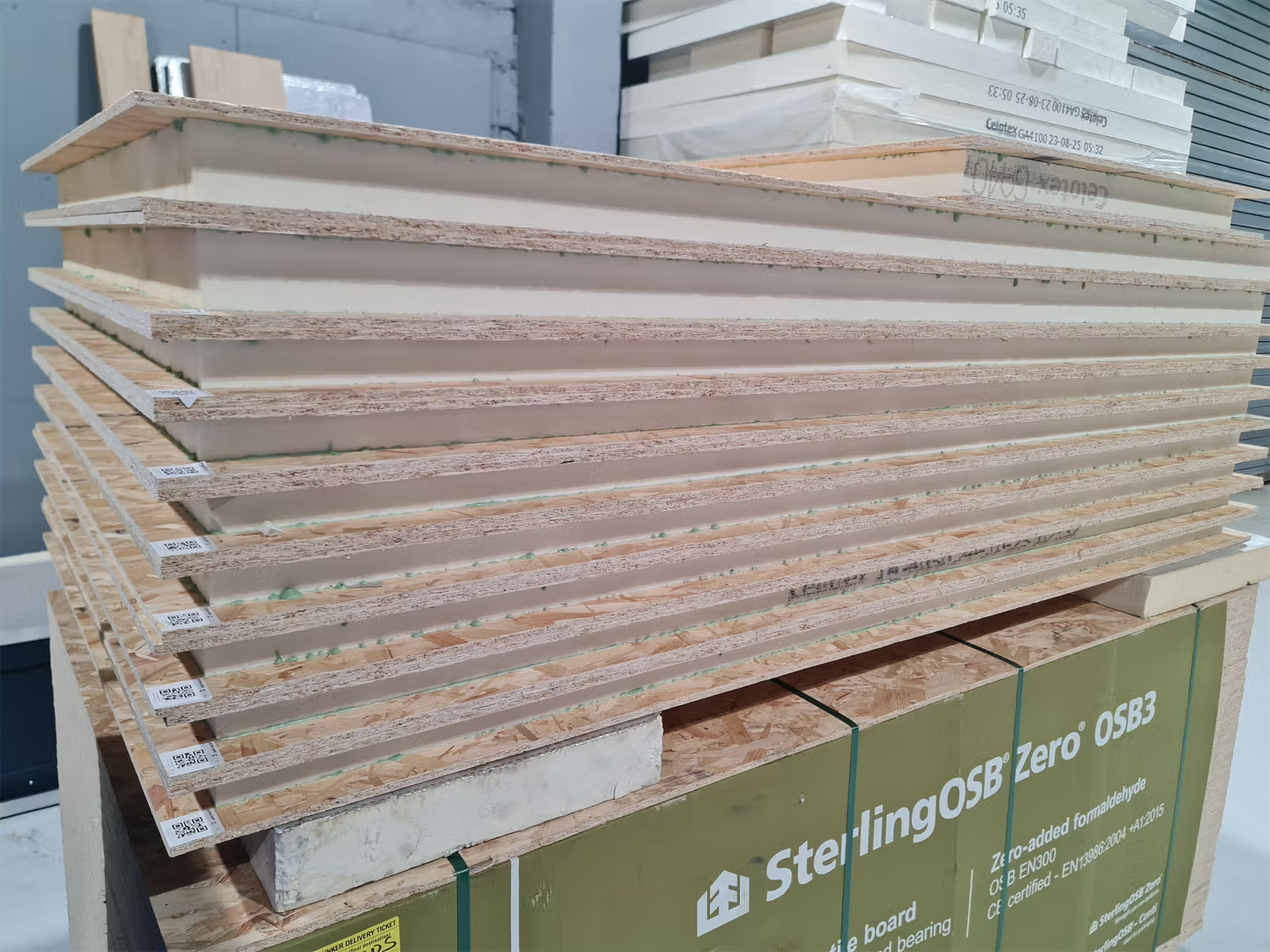
Unload panels in the order they will be installed. Keep protective wrapping on until the moment of installation.
Damage prevention and storage
Store panels off the ground, covered, and supported evenly. Check for corner damage before install.
Site planning checklist
- Verify level and square foundation.
- Set sole plate lines and fixings.
- Confirm crane access and staging zones.
- Confirm overhead obstructions are clear.
- Plan protection for panels and adhesives.
- Coordinate electrical and plumbing feeds.
- Brief crew roles and safety plan.